
History Comes to Life as Johnny Mize Documentary Premieres in Demorest
- Nora Almazan
- Mar 20
- 2 min read
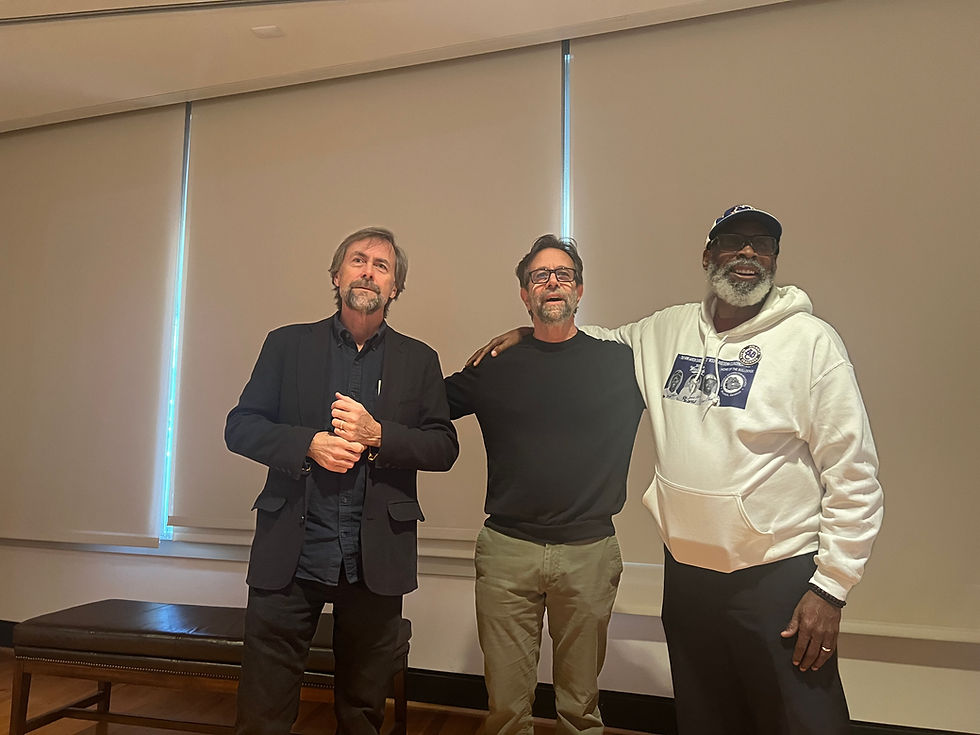
Baseball history took center stage in Demorest as community members gathered for a special premiere event celebrating the life and legacy of Hall of Famer Johnny Mize.
Held at the Mason-Scharfenstein Museum of Art, Thursday, March 19th, the evening offered guests a first look at a powerful new documentary inspired by the book Big Cat: The Life of Baseball Hall of Famer Johnny Mize by author Jerry Grillo. The film, directed by Hal Jacobs, is scheduled to air nationally on PBS on May 4.
Through compelling storytelling and historical insight, the documentary explores Mize’s impact on the game and the communities that continue to celebrate his legacy today. Among those featured in the film is Demorest City Councilman Shawn Allen, who reflects on Mize’s connection to the area and the lasting influence he has had locally.

The production also highlights the story of James “Red” Moore, a standout player in the Negro Leagues from 1936 to 1948. His inclusion provides important historical depth, honoring the achievements and experiences of Black players during a pivotal era in American baseball.
Also featured is Gregory White, who formed a close friendship with Moore. Together, the two traveled throughout the country sharing the history and significance of the Negro Leagues, speaking in churches, schools, and community gatherings. White attended the premiere, bringing a deeply personal perspective to the evening.
“When you look at Mize and Moore, one was white and one was Black — but what’s the common denominator? Baseball,” White said. “We weren’t talking about color — we were talking about baseball.”
Director Hal Jacobs said the film represents a collaborative effort to preserve an important chapter in baseball history.

“This documentary goes beyond the game and is impossible to tell without Jerry Grillo, Gregory White, Red Moore, and Johnny Mize,” Jacobs said.
Grillo reflected on Mize’s extraordinary accomplishments on the field, pointing to what he believes stands as one of the most remarkable individual seasons in baseball history.
“To me his greatest single feat was probably the 1947 season when he hit 51 home runs but struck out only 42 times. I think that’s still a record,” Grillo said.
Guests described the event as both informative and inspiring. The museum’s welcoming atmosphere provided a fitting backdrop as attendees reflected on the powerful stories presented on screen and the enduring role of baseball in shaping both local and national history.
In a town that still feels the presence of baseball’s past, the documentary reminds viewers that history is not only remembered — it is lived, shared, and passed on.


Comments