
Habersham residents weigh in on proposed changes to development codes
- Brian Wellmeier
- Mar 19
- 4 min read
By: Brian Wellmeier

Residents provided input on proposed changes to the current draft of Habersham County’s unified development codes at a public hearing before commissioners Monday, March 16, as five people spoke in opposition.
If approved in its current form, the overhaul of Habersham’s land-use regulations would replace the county’s current Comprehensive Land Development Ordinance, originally adopted in 1992, and potentially modernize how growth is managed across the county.
What the changes mean
County officials say the update is necessary to better guide development, protect property values and preserve the area’s rural identity amid an ongoing influx of growth throughout the region. Under the current ordinance, development can occur in most areas without significant county oversight.
The new ordinance, which commissioners will consider in June, introduces eight zoning districts with minimum lot sizes ranging from one to five acres and establishes clearer standards for subdivisions and infrastructure. It also consolidates development regulations currently scattered throughout county code into a single document, according to officials.
Among its broader changes, the ordinance defines a major subdivision as four or more lots and shifts subdivision approval from Habersham’s Planning Commission to county staff. It also expands the use of cluster developments, which are designed to preserve open space while allowing residential construction.

Alongside its recommendation for approval, Habersham’s Planning Commission proposed several changes to the draft ordinance. One of the most significant would set the minimum heated square footage for homes in subdivisions to 1,500 square feet.
The commission also recommended removing residential uses from areas zoned for general industrial zoning districts, a move intended to prevent conflicts between housing and industrial activity.
To maintain the county’s rural character, the board proposed eliminating curb and gutter requirements in rural residential, agricultural and conservation districts, unless developments use a cluster design with smaller lot sizes.
Traffic study requirements were also addressed. Planning commissioners have recommended requiring studies only for developments expected to generate more than 50 “peak-hour” trips per day – a threshold typically reached by subdivisions of around 50 homes. According to county officials, the change could reduce costs for smaller developments while maintaining oversight for larger projects.
Additional standards for data centers include requirements for closed-loop cooling systems (to limit the use of public utilities), minimum distances from nearby homes and sound barriers.
Public input
Five residents spoke on the proposed changes during the public hearing Monday. A majority of the speakers took issue with the notion of minimum required square-footage, minimum acreage and housing affordability.
“I want you all to consider that this could hurt average people in the county,” Bruce Palmer told commissioners. “You talk about affordable housing, and then we start talking about minimum square-footage. I live in 800 square-feet with my wife really (well). I don’t know why we have to put minimums. I know we want our county to look a certain way and keep the values up, but we need to be careful what we’re doing, because affordable housing for everybody is not the same.”
Resident and local realtor Zane Stewart expressed similar thoughts on the proposal.
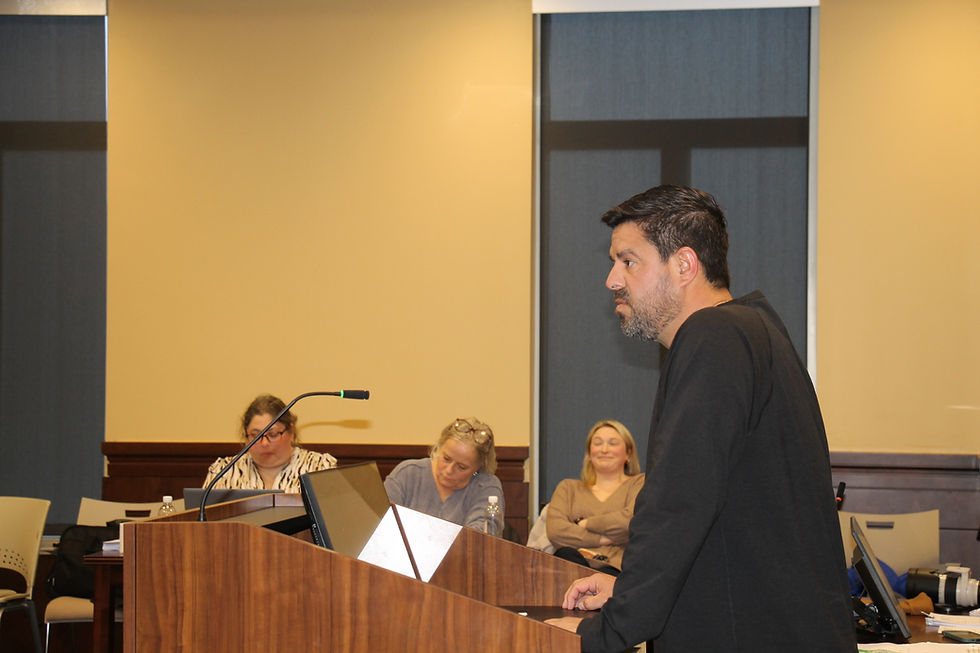
“I’m actually in support of subdivision restrictions,” he said. “But I’m in opposition to the minimum lot size…this county was built by blue collar, hard working people. Those people consider their land and property their biggest asset. I just think this is an overreach and an overuse of power to tell someone what they can do with their property.”
Joshua Bramlett, a lifelong Habersham resident, also spoke during the hearing Monday.
“I’m speaking before you to express that your residents have serious concerns about the proposed regulations,” Bramlett said. “As we all know, every regulation has a cost. When new requirements are placed on development, these costs don’t simply disappear. On the contrary, they ripple through the entire local economy…these policies directly affect housing affordability. For young couples trying to buy their first home, teachers or firefighters who serve this community and for families who’ve lived here their entire lives, that difference determines whether or not they can stay in this county, or whether they’re forced to leave for somewhere more affordable.”
Commissioners respond
Chairman Bruce Harkness said he’s committed to executing the will of the people while also finalizing a document that effectively manages aspects of growth and development.

“We’re all concerned, and I think I can speak for all of the commissioners up here,” Harkness said Monday. “We’re all concerned about it, and it is a lot to be worried about…this is a proposal that’s been worked on. One thing people have told us, every time I’ve been elected, is they want us to try to control growth. And we need to hear from (the public). I would love to hear from (residents). We can fuss all day long, but what we need is your opinions of what you think we need and what you think we should be doing.”
Commissioner Kelly Woodall described the specific balance officials must take to preserve Habersham’s character and account for impending growth.
“Just for me as a person, the only reason we’re (drafting) this is because we did hear an outcry of people wanting to help preserve agricultural land and help preserve property and our county’s natural beauty,” Woodall said. “There is always a balance in how you do that without interfering with private enterprises and the market. Honestly, the free market on housing is too expensive for most people…obviously, there’s no perfect formula and we’re working through that. We have to have some method for directing growth.”
Commissioner Ty Akins also offered his thoughts to the public, stating, “Somewhere there is a balance. When you talk about personal property rights, I’m a huge believer…we’re probably not going to make everybody happy, but what we had up to this point was not working, and we’re trying to fix that.”

Once additional public input on the ordinance is received, commissioners will consider the changes in June after an election to fill the seat of former commissioner Jimmy Tench, who stepped down in February due to health issues.


Comments